


I do not remember the last time anyone called me by my name. Not the name the villagers used when they whispered about me in fear. Not the names the demons snarled inside my head. I mean the name my wife used to murmur in the quiet hours of evening, the name she would breathe against my cheek when she smiled and said ahavah which means my love. That name died with her, or perhaps it was buried when I sank my hands into the ashes of my own sorrow.
She fell ill so quickly that my mind could not keep up with my heart. The fever drained the warmth from her body until her skin felt like river stones left overnight in the cold. Our house smelled of bitter herbs and sweat and the heavy stillness of death. I prayed. I begged. I tore my clothes. I sat in ashes and called upon Yahweh Elohim, the one true God. At least that was what I believed. I cried until my voice broke and my vision blurred. I pressed my forehead to hers, hoping my breath could somehow call her spirit back into the world of the living.
But dawn stole her from me.
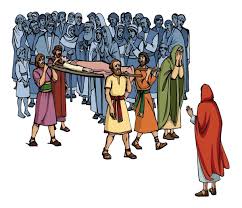
When her chest refused to rise again, something inside me cracked. The world around me blurred, the edges of everything turning sharp, unbearable. Her clothes still carried the faint scent of sesame oil and the clay perfume of our river. Her linens clung to her body like a final cage. I held her until her warmth faded completely. I refused to bury her. I refused to let her go. If the world wanted to claim her, it would have to pry her out of my broken hands.
That was when I first heard the whispers.
They came softly at first. Thoughts that felt like my own yet slightly displaced, like voices speaking from behind a thin veil. They told me she was not lost to me. They said death was only a doorway, and that if I wanted to speak with her again, they knew how. I wanted that more than life. I wanted one more moment, one more word, one more breath shared between us. So when the night grew heavy and the stars hid behind a thick sky, I listened.
One evening, while I sat alone in the corner of my darkened house, I felt a coldness sweep across my arms. The small clay lamp flickered. Then I heard her. Or what I thought was her. Her voice came from behind me, soft and trembling, calling my name with the same affection she used when she teased me for stumbling in the mud the first day we met. My breath froze inside my lungs. I turned, and there she stood. Her shape flickered like a reflection in disturbed water. Her hair fell down her shoulders the way it always had, though the strands seemed to ripple like smoke. She reached toward me, her fingers pale and translucent, and whispered ahavah. My heart screamed that something was wrong, but grief silenced reason. I reached back.
In that moment, the room went cold enough to pierce bone, and every instinct within me trembled. I knew the Torah. I knew the warnings of Moses. Yahweh had commanded us never to seek the dead or speak with familiar spirits. Necromancy was forbidden because it opened a door no human was meant to touch. Yet I stepped through that door anyway. I told myself it was only once. Only one conversation. Only one chance to see her. Yahweh would understand my grief. I had no intention of disobeying forever. But sin rarely begins with rebellion. It begins with justification.
After that night, the voice returned again and again and I sought it out like a man addicted to poison. What was once comfort slowly became a chain. What felt like love became torment. The voice that sounded like my wife began to change. It grew sharp and cold and commanding. Soon it was accompanied by others. Hundreds. Then thousands. Whispering. Laughing. Mocking. Crawling inside my skull. I opened my soul because I wanted to speak with the dead. What came in were not the dead but demons who fed on my longing until it consumed me.
The villagers saw my decline. They tried to restrain me when I began screaming through the night, thrashing, tearing my garments until my skin was bare. They tied ropes around my wrists but grief sharpened by madness made me strong. I tore through rope and leather and every restraint they attempted. Eventually they used chains. Cold, rusted, cutting into my skin. I broke those too. They feared me after that. I feared myself even more.
So I fled to the tombs.
The tombs welcomed me like a lover. The air was thick with the smell of damp limestone and old bones. The ground was rough beneath my feet and the caves echoed with every tortured breath. My hair grew into tangled knots. My skin became cracked by sun and wind and blood. Sometimes I slept on corpses because the demons inside me delighted in desecration. At night, jackals howled from the cliffs above. I howled back, not knowing whether I was answering them or answering the voices inside me.
Then everything changed one night when the wind shifted.
I felt it before I saw it. The air trembled as if creation itself was holding its breath. Clouds rolled from the sea toward my cliffs like a vast army. Lightning split the sky. Rain fell in heavy sheets, warm and thick. The scent of petrichor rose from the earth. That smell struck me like a memory I was not ready for. It smelled like the day I first met my wife, when she laughed as I slipped in fresh mud and called me ahavah with mischief in her eyes. The memory pierced through the noise in my head. The demons inside me recoiled. They screamed and clawed at my soul, trying to drown it. That moment of clarity terrified them.
Then I saw the boat.
It fought the waves with stubborn determination, rising and falling violently. A figure stood at its bow within the storm, untouched by the fury around Him. When lightning flashed, I saw His silhouette. Calm. Still. Certain.
The demons inside me trembled so violently I could barely stay upright. They hissed and cried, warning me. They told me to run. They told me to throw myself off the cliff. They told me to die before He arrived. But something deeper whispered beneath their chaos. Hold on. Hold on. Just a little longer.
Barely minutes later, He stepped onto the shore.
I did not walk to Him. I was dragged by a force stronger than the screams inside me. My knees buckled the moment I reached Him. The stones cut my skin but I barely felt it. He looked at me. His eyes saw everything. The years. The torment. The disobedience. The longing. The guilt. The boy I once was. The monster I had become. He saw it all and did not step away.

The demons forced my mouth open. They begged and cursed and pleaded and groveled. I wanted to speak my own name but the only words that spilled out were, My name is Legion, for we are many. Yet even that declaration of humiliation did not move Him. He spoke, and His voice rippled through my mind like fire through dry grass. He commanded them. They obeyed. Light ripped through my darkness. The demons burst out of me like black smoke. The air quivered with their shrieks. They poured into a herd of pigs nearby and the animals went mad, rushing toward the cliffs, screaming until they plunged into the sea. The water swallowed them in a violent churn.
I collapsed. The silence inside my head was so sudden it felt like a miracle and a wound at the same time. My breathing steadied. My thoughts cleared. I felt human again. The villagers found me moments later. They brought a cloak and draped it over my shoulders. Soft wool scratched against my skin, yet it felt like royalty, like dignity returning to me.
But when they saw the pigs floating lifeless in the water, their fear turned toward Jesus. They begged Him to leave. They saw His power but not His mercy. They feared what He might take but did not know what He had given. They did not understand the value of one broken man healed by the touch of God.
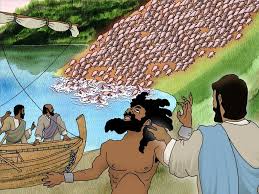
I clung to His feet and begged to follow Him. Please, Master, let me come with You. You saved me. Do not leave me here. But He shook His head with a gentleness that pierced my heart. No. Go home. Go back to your people. Tell them what the Lord has done for you. Tell them about His mercy.
Only later did I understand the weight of His words. He was not refusing me. He was restoring me. The tombs had become my world, the dead my companions, the shadows my comfort. Jesus was sending me back to the living because that was the healing I needed. He knew I could not be whole while lingering among graves. To be restored, I had to reenter the rhythm of life. I had to hear laughter again. I had to see faces that remembered me. I had to walk roads my feet had abandoned and stand in houses I once believed I would never see again. Returning home was not punishment. It was resurrection.
So I walked. Each step away from the tombs felt like rising from a grave. And for the first time since my wife died, I felt alive again.